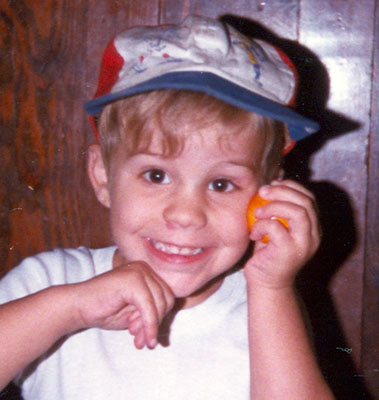
When someone who is single gets busy there is never someone there with firsthand knowledge of their life to help keep that person in check.
In our lives, we are all at different stages of being busy. When we are young and we move from one phase of our lives into the next, we step into a new stage of being busy. At first we say "I've never been so busy before", then we grow used to being that busy, and wonder what we did with our spare time before. Then when holidays come or we have spare time, we don't sit and relax like we used to, we find new and creative ways to be busy during our holidays, like repair work around the house, writing letters to people, writing in our journal or we create projects for ourselves.
When we are busy, we get so caught up in what keeps us busy that we start to neglect other things. At first it is okay, we neglect 'expendable' things, like spare time. Then we see just how much time we're wasting in a day, and decide to take more hours at work, take an extra class at school or whatever. For some reason we think that "only if I could make more money" or "only if I could take one more class" would I be happier.
Then we lose more of our spare time, and the only non-busy time we have is spent being busy for ourselves, like going grocery shopping, doing laundry, and eating. Life becomes stressful and not very much fun. Then you hit the point of terminal busy-ness, when you don't have time to do things for yourself anymore, laundry and eating become burdens. At this point you have officially sold your soul to your work or school or whatever is keeping you busy.
The biggest problem with being busy is that you neglect others. You no longer have free time to visit a friend in need. You rush around in traffic cutting people off, forgetting that others are more important than you. You don't have time to bring someone soup who is sick, or write a letter to someone dealing with pain. You don't have time to put others before yourself.
You also stop giving yourself time to develop your potential in areas with no immediate redeeming value. You stop excercising, playing instruments or doing other hobbies. You stop having fun, and at some point you stopped being happy.
While having too much time on your hands can be bad too, I struggle most with being too busy. I think it is hard to find a balance between myself, others, work, and school, spare time and play. I am young and I need to play more, but I've tried to grow up so fast that I maybe have forgotten how to play. Instead of being the random nut I used to be now I come across as busy, boring and often selfish.
My real goal along with everyone else is to be happier. I take more hours at work, or take that extra class because I think it will make me happier. I get caught in the "I can't wait until .... only then will I be happy" syndrome. I know I can be happy now if I just put others before myself.
Final thought: Is it selfish to put others before yourself for your own happiness?
Wednesday, December 28, 2005

Sunday, December 04, 2005
INFO: License Plates of Canada
Provincial license plates are issued to cars depending on which province you register your vehicle in. In some ways license plates act like flags, as symbols of a country, province or state. These are the license plates of the provinces of Canada.


License plates available thanks to: http://www.members.shaw.ca/kcic1/
License plates available thanks to: http://www.members.shaw.ca/kcic1/
Thursday, December 01, 2005
INFO: Abolition of Slavery
I have some American friends who seem to think that the USA has always been a leader in the area of human rights. In school, I seem to remember reading stories about how the Underground Railroad was a way to help slaves escape from the USA to countries free of slavery like Canada and Mexico.
I was curious to see exactly when each major country abolished slavery, so I made the below table to answer my curiousity.
In 1807 Britain passed an anti-slave act, followed by an 1833 Abolition of Slavery act. This of course was applied to the whole of the british empire, including Canada. According to my reading though, it seems that this was merely an official end to slavery of people of african descent. Most european empires did not believe that the countries they occupied were civilized and capable of self-government unless they had a predominant proportion of europeans like in North America. This meant that in British colonies, the colonists were always first-class citizens, and the native people of the country were second-class citizens. Though 1833 was meant to bring the end of slavery in the British empire, it is likely that some forms of slavery or extreme servantry were perpetuated for years.
Also of note, France and its colonies abolished slavery in 1794 due to the French Revolution, but it was re-established later in 1796 when Napoleon gained control.
Further Reading:
http://www.nmm.ac.uk/freedom/viewTheme.cfm/theme/timeline
http://www.zum.de/whkmla/period/m19/abolition.html
http://en.wikipedia.org/wiki/Abolition_of_slavery
I was curious to see exactly when each major country abolished slavery, so I made the below table to answer my curiousity.
In 1807 Britain passed an anti-slave act, followed by an 1833 Abolition of Slavery act. This of course was applied to the whole of the british empire, including Canada. According to my reading though, it seems that this was merely an official end to slavery of people of african descent. Most european empires did not believe that the countries they occupied were civilized and capable of self-government unless they had a predominant proportion of europeans like in North America. This meant that in British colonies, the colonists were always first-class citizens, and the native people of the country were second-class citizens. Though 1833 was meant to bring the end of slavery in the British empire, it is likely that some forms of slavery or extreme servantry were perpetuated for years.
Also of note, France and its colonies abolished slavery in 1794 due to the French Revolution, but it was re-established later in 1796 when Napoleon gained control.
| ||||||||||||||||||||||||||||||||||||
Further Reading:
http://www.nmm.ac.uk/freedom/viewTheme.cfm/theme/timeline
http://www.zum.de/whkmla/period/m19/abolition.html
http://en.wikipedia.org/wiki/Abolition_of_slavery
HUMOR: Follow the Instructions - Exam
Instructions:
Use a blank sheet of paper to take this test for each person taking this exam, you can compare answers when all have finished.
Read everything before doing anything but work as fast as you can.
1. Write your full name on the upper right hand corner.
2. Write the name of the place where you live.
3. Draw a circle around the answer to question 2.
4. Write the name of your birthplace.
5. Write the name of your favorite superstar (sports, film, etc.).
6. Draw a triangle on the lower left hand corner.
7. Underline the answer to question 5.
8. Write down your age in months.
9. State whether you are married or single.
10. Multiply your age in years by 8 and write down the product.
11. Draw an equilateral triangle on the upper left hand corner.
12. Draw an X inside this equilateral triangle.
13. When you reach this point, shout "I have!"
14. Call out loud your first name.
15. Put your hand on top of your head, close your eyes and count out loud from 10 to 1.
16. Keep your hand on top of your head and write down your favorite number.
17. Now that you have read everything before doing anything, do only question 1. Then put down your pen or pencil and if others are taking this test with you, wait for the others to finish. Do not talk!
Friday, November 25, 2005
CULTURE: The Cremation of Sam McGee
This poem is culturally significant to my family, and has to do with the hardships of the northern climate.
"Robert W. Service, a Canadian poet and novelist, was known for his ballads of the Yukon. He wrote this narrative poem which is presented here because it is an outstanding example of how sensory stimuli are emphasized and it has a surprise ending.
Robert William Service was born in Preston, England, on January 16, 1874. He emigrated to Canada at the age of twenty, in 1894, and settled for a short time on Vancouver Island. He was employed by the Canadian Bank of Commerce in Victoria, B.C., and was later transferred to Whitehorse and then to Dawson in the Yukon. In all, he spent eight years in the Yukon and saw and experienced the difficult times of the miners, trappers, and hunters that he has presented to us in verse.
During the Balkan War of 1912-13, Service was a war correspondent to the Toronto Star. He served this paper in the same capacity during World War I, also serving two years as an ambulance driver in the Canadian Army medical corps. He returned to Victoria for a time during World War II, but later lived in retirement on the French Riviera, where he died on September 14, 1958, in Monte Carlo.
Sam McGee was a real person, a customer at the Bank of Commerce where Service worked. The Alice May was a real boat, the Olive May, a derelict on Lake Laberge.
Anyone who has experienced the bitterness of cold weather and what it can do to a man will empathize with Sam McGee’s feelings as expressed by Robert Service in this poem." - http://www.wordfocus.com/wordactcremation.html
There are strange things done in the midnight sun
By the men who moil for gold;
The Arctic trails have their secret tales
That would make your blood run cold;
The Northern Lights have seen queer sights,
But the queerest they ever did see
Was that night on the marge of Lake Lebarge
I cremated Sam McGee.
Now Sam McGee was from Tennessee, where the cotton blooms and blows.
Why he left his home in the South to roam ‘round the Pole, God only knows.
He was always cold, but the land of gold seemed to hold him like a spell;
Though he’d often say in his homely way that “he’d sooner live in hell.”
On a Christmas Day we were mushing our way over the Dawson trail.
Talk of your cold! through the parka’s fold it stabbed like a driven nail.
If our eyes we’d close, then the lashes froze till sometimes we couldn’t see;
It wasn’t much fun, but the only one to whimper was Sam McGee.
And that very night, as we lay packed tight in our robes beneath the snow,
And the dogs were fed, and the stars o’erhead were dancing heel and toe,
He turned to me, and “Cap,” says he, “I’ll cash in this trip, I guess;
And if I do, I’m asking that you won’t refuse my last request.”
Well, he seemed so low that I couldn’t say no; then he says with a sort of moan:
“It’s the cursed cold, and it’s got right hold till I’m chilled clean through to the bone.
Yet ‘taint being dead--it’s my awful dread of the icy grave that pains;
So I want you to swear that, foul or fair, you’ll cremate my last remains.”
A pal’s last need is a thing to heed, so I swore I would not fail;
And we started on at the streak of dawn; but God! he looked ghastly pale.
He crouched on the sleigh, and he raved all day of his home in Tennessee;
And before nightfall a corpse was all that was left of Sam McGee.
There wasn’t a breath in that land of death, and I hurried, horror-driven,
With a corpse half hid that I couldn’t get rid, because of a promise given;
It was lashed to the sleigh, and it seemed to say:“You may tax your brawn and brains,
But you promised true, and it’s up to you to cremate those last remains.”
Now a promise made is a debt unpaid, and the trail has its own stern code.
In the days to come, though my lips were dumb, in my heart how I cursed that load.
In the long, long night, by the lone firelight, while the huskies, round in a ring,
Howled out their woes to the homeless snows—O God! how I loathed the thing.
And every day that quiet clay seemed to heavy and heavier grow;
And on I went, though the dogs were spent and the grub was getting low;
The trail was bad, and I felt half mad, but I swore I would not give in;
And I’d often sing to the hateful thing, and it hearkened with a grin.
Till I came to the marge of Lake Lebarge, and a derelict there lay;
It was jammed in the ice, but I saw in a trice it was called the “Alice May.”
And I looked at it, and I thought a bit, and I looked at my frozen chum;
Then “Here,” said I, with a sudden cry, “is my cre-ma-tor-eum.”
Some planks I tore from the cabin floor, and I lit the boiler fire;
Some coal I found that was lying around, and I heaped the fuel higher;
The flames just soared, and the furnace roared—such a blaze you seldom see;
And I burrowed a hole in the glowing coal, and I stuffed in Sam McGee.
Then I made a hike, for I didn’t like to hear him sizzle so;
And the heavens scowled, and the huskies howled, and the wind began to blow.
It was icy cold, but the hot sweat rolled down my cheeks, and I don’t know why;
And the greasy smoke in an inky cloak went streaking down the sky.
I do not know how long in the snow I wrestled with grisly fear;
But the stars came out and they danced about ere again I ventured near;
I was sick with dread, but I bravely said: “I’ll just take a peep inside.
I guess he’s cooked, and it’s time I looked;” . . . then the door I opened wide.
And there sat Sam, looking cool and calm, in the heart of the furnace roar;
And he wore a smile you could see a mile, and he said: “Please close that door.
It’s fine in here, but I greatly fear you’ll let in the cold and storm—
Since I left Plumtree, down in Tennessee, it’s the first time I’ve been warm.”
There are strange things done in the midnight sun
By the men who moil for gold;
The Arctic trails have their secret tales
That would make your blood run cold;
The Northern Lights have seen queer sights,
But the queerest they ever did see
Was that night on the marge of Lake Lebarge
I cremated Sam McGee.
by Robert W. Service
By the men who moil for gold;
The Arctic trails have their secret tales
That would make your blood run cold;
The Northern Lights have seen queer sights,
But the queerest they ever did see
Was that night on the marge of Lake Lebarge
I cremated Sam McGee.
Now Sam McGee was from Tennessee, where the cotton blooms and blows.
Why he left his home in the South to roam ‘round the Pole, God only knows.
He was always cold, but the land of gold seemed to hold him like a spell;
Though he’d often say in his homely way that “he’d sooner live in hell.”
On a Christmas Day we were mushing our way over the Dawson trail.
Talk of your cold! through the parka’s fold it stabbed like a driven nail.
If our eyes we’d close, then the lashes froze till sometimes we couldn’t see;
It wasn’t much fun, but the only one to whimper was Sam McGee.
And that very night, as we lay packed tight in our robes beneath the snow,
And the dogs were fed, and the stars o’erhead were dancing heel and toe,
He turned to me, and “Cap,” says he, “I’ll cash in this trip, I guess;
And if I do, I’m asking that you won’t refuse my last request.”
Well, he seemed so low that I couldn’t say no; then he says with a sort of moan:
“It’s the cursed cold, and it’s got right hold till I’m chilled clean through to the bone.
Yet ‘taint being dead--it’s my awful dread of the icy grave that pains;
So I want you to swear that, foul or fair, you’ll cremate my last remains.”
A pal’s last need is a thing to heed, so I swore I would not fail;
And we started on at the streak of dawn; but God! he looked ghastly pale.
He crouched on the sleigh, and he raved all day of his home in Tennessee;
And before nightfall a corpse was all that was left of Sam McGee.
There wasn’t a breath in that land of death, and I hurried, horror-driven,
With a corpse half hid that I couldn’t get rid, because of a promise given;
It was lashed to the sleigh, and it seemed to say:“You may tax your brawn and brains,
But you promised true, and it’s up to you to cremate those last remains.”
Now a promise made is a debt unpaid, and the trail has its own stern code.
In the days to come, though my lips were dumb, in my heart how I cursed that load.
In the long, long night, by the lone firelight, while the huskies, round in a ring,
Howled out their woes to the homeless snows—O God! how I loathed the thing.
And every day that quiet clay seemed to heavy and heavier grow;
And on I went, though the dogs were spent and the grub was getting low;
The trail was bad, and I felt half mad, but I swore I would not give in;
And I’d often sing to the hateful thing, and it hearkened with a grin.
Till I came to the marge of Lake Lebarge, and a derelict there lay;
It was jammed in the ice, but I saw in a trice it was called the “Alice May.”
And I looked at it, and I thought a bit, and I looked at my frozen chum;
Then “Here,” said I, with a sudden cry, “is my cre-ma-tor-eum.”
Some planks I tore from the cabin floor, and I lit the boiler fire;
Some coal I found that was lying around, and I heaped the fuel higher;
The flames just soared, and the furnace roared—such a blaze you seldom see;
And I burrowed a hole in the glowing coal, and I stuffed in Sam McGee.
Then I made a hike, for I didn’t like to hear him sizzle so;
And the heavens scowled, and the huskies howled, and the wind began to blow.
It was icy cold, but the hot sweat rolled down my cheeks, and I don’t know why;
And the greasy smoke in an inky cloak went streaking down the sky.
I do not know how long in the snow I wrestled with grisly fear;
But the stars came out and they danced about ere again I ventured near;
I was sick with dread, but I bravely said: “I’ll just take a peep inside.
I guess he’s cooked, and it’s time I looked;” . . . then the door I opened wide.
And there sat Sam, looking cool and calm, in the heart of the furnace roar;
And he wore a smile you could see a mile, and he said: “Please close that door.
It’s fine in here, but I greatly fear you’ll let in the cold and storm—
Since I left Plumtree, down in Tennessee, it’s the first time I’ve been warm.”
There are strange things done in the midnight sun
By the men who moil for gold;
The Arctic trails have their secret tales
That would make your blood run cold;
The Northern Lights have seen queer sights,
But the queerest they ever did see
Was that night on the marge of Lake Lebarge
I cremated Sam McGee.
by Robert W. Service
"Robert W. Service, a Canadian poet and novelist, was known for his ballads of the Yukon. He wrote this narrative poem which is presented here because it is an outstanding example of how sensory stimuli are emphasized and it has a surprise ending.
Robert William Service was born in Preston, England, on January 16, 1874. He emigrated to Canada at the age of twenty, in 1894, and settled for a short time on Vancouver Island. He was employed by the Canadian Bank of Commerce in Victoria, B.C., and was later transferred to Whitehorse and then to Dawson in the Yukon. In all, he spent eight years in the Yukon and saw and experienced the difficult times of the miners, trappers, and hunters that he has presented to us in verse.
During the Balkan War of 1912-13, Service was a war correspondent to the Toronto Star. He served this paper in the same capacity during World War I, also serving two years as an ambulance driver in the Canadian Army medical corps. He returned to Victoria for a time during World War II, but later lived in retirement on the French Riviera, where he died on September 14, 1958, in Monte Carlo.
Sam McGee was a real person, a customer at the Bank of Commerce where Service worked. The Alice May was a real boat, the Olive May, a derelict on Lake Laberge.
Anyone who has experienced the bitterness of cold weather and what it can do to a man will empathize with Sam McGee’s feelings as expressed by Robert Service in this poem." - http://www.wordfocus.com/wordactcremation.html
Thursday, November 17, 2005
MOTIVATIONAL: Buttprints in the Sand
I heard this from a friend once.
One night I had a wondrous dream,
    One set of footprints there was seen,
    The footprints of my precious Lord,
    But mine were not along the shore.

    But then some strange prints appeared,
    And I asked the Lord, "What have we here?"
    Those prints are large and round and neat,
    "But Lord, they are too big for feet."

    "My child," He said in somber tones,
    "For miles I carried you along.
    I challenged you to walk in faith,
    But you refused and made me wait."

    "You disobeyed, you would not grow,
    The walk of faith, you would not know,
    So I got tired, I got fed up,
    And there I dropped you on your butt."

    "Because in life, there comes a time,
    When one must fight, and one must climb,
    When one must rise and take a stand,
    Or leave their butt prints in the sand."

-Anonymous
Subscribe to:
Posts (Atom)